
Design, Planning & Approvals in London
Good construction projects start with good information. LCC helps clients understand what can be done with a property, develop the design and secure the permissions needed before work starts.
Our design team is led by an ARB-registered architect and covers architecture, interior design, planning, Building Regulations and landlord approvals. Because we also build, the drawings are prepared with cost, buildability and the existing building in mind, not just appearance.
Getting the design and approvals right early is the cheapest way to avoid changes and delays on site.
Architecture
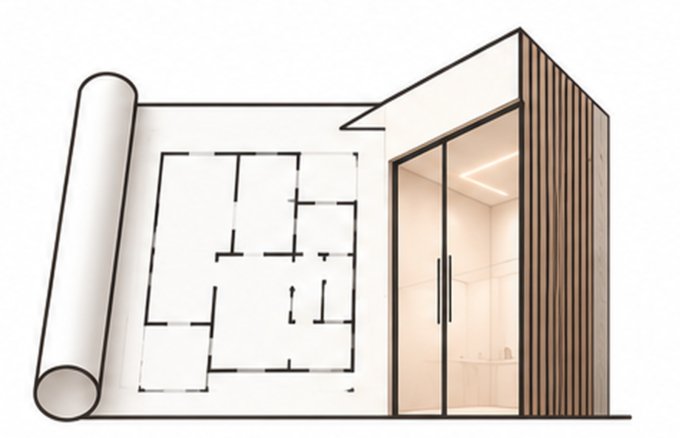
Architectural design sets out how a building or space will look, work and relate to the existing property. It can include measured surveys, feasibility layouts, existing and proposed drawings, planning drawings, elevations, sections and technical details, coordinated with structural and M&E engineers.
Interior Design
Interior design shapes how the finished space is experienced and used. For commercial projects this includes space planning, finishes, lighting, furniture layouts, joinery, materials, colours and detailing, often working to an existing brand guideline.
We develop the interior alongside the construction and building services, so it can be built as drawn.
Planning & Permissions
Planning permission decides whether a proposed development or alteration is acceptable in planning terms. Whether you need it depends on the property, its current use and the proposed works. Listed buildings, conservation areas and shopfront or signage changes bring extra requirements.
We prepare the drawings and design information for planning submissions and work with planning consultants where a project needs one.
Landlord Approvals & Licence to Alter in London
Most commercial fit-outs in London cannot start until the landlord has approved the design. Shopping centres, estates and building owners each have their own rules, and a tenant who misses one can lose weeks before work begins. LCC manages this process from start to finish, so your opening date is not held up by paperwork.
Our architects and engineers take the scheme through every stage the landlord requires, from the first concept to the final sign-off. Because the same team designs and builds, what is approved is exactly what we install.
How we take your project through landlord approval
- Concept design approval. We review the tenant pack, prepare the concept layout, shopfront and signage design, and present them to the landlord's design team for first approval.
- Detailed design approval. We develop the approved concept into full drawings, materials and finishes, and respond to the landlord's comments until the detailed design is signed off.
- MEP design. We prepare the mechanical, electrical and plumbing design, including kitchen extract, ventilation, air conditioning, drainage and power, to the landlord's technical standards, and agree it with their engineers.
- Fire strategy. We coordinate the fire strategy for the unit, including escape routes, compartmentation and fire-rated construction, so it works with the building's own strategy.
- Specialist approvals. We manage the specialist designs the landlord must approve, such as sprinkler, fire alarm, smoke detection, emergency lighting and kitchen extract systems, working with the landlord's appointed consultants.
- Principal Designer and CDM. We act as Principal Designer and Principal Contractor under the CDM Regulations, preparing the pre-construction information, construction phase plan, risk assessments and method statements the landlord asks for.
- Licence to Alter. With every package approved, we agree the final drawings and specification that form the Licence to Alter, and support your solicitor through the process.
- Building control and site rules. We handle building control, hoarding design, delivery routes, out-of-hours working and permits to work before work starts.
- Handover to the landlord. At completion we provide test certificates, fire sign-off, as-built drawings and the operation and maintenance manual the landlord needs to close out the works.
We have delivered fit-outs under the control of some of London's most demanding landlords and centre managers, including Westfield Stratford City, the Bullring in Birmingham and The O2 in Greenwich, as well as estates in the West End. That experience means we know what each landlord expects to see, which saves time on every submission.
A Licence to Alter is separate from Building Regulations approval, which covers structure, fire safety, ventilation, accessibility and energy and is checked by Building Control. Most commercial projects need both, and we prepare and manage the submissions for each.
If you have taken a lease or are about to sign one, talk to us early. We can review the tenant pack, flag the landlord's requirements that affect cost and programme, and plan the approvals so they run alongside your design rather than after it.
Selected projects
Design & approvals in practice
A few examples of this work from our recent projects.
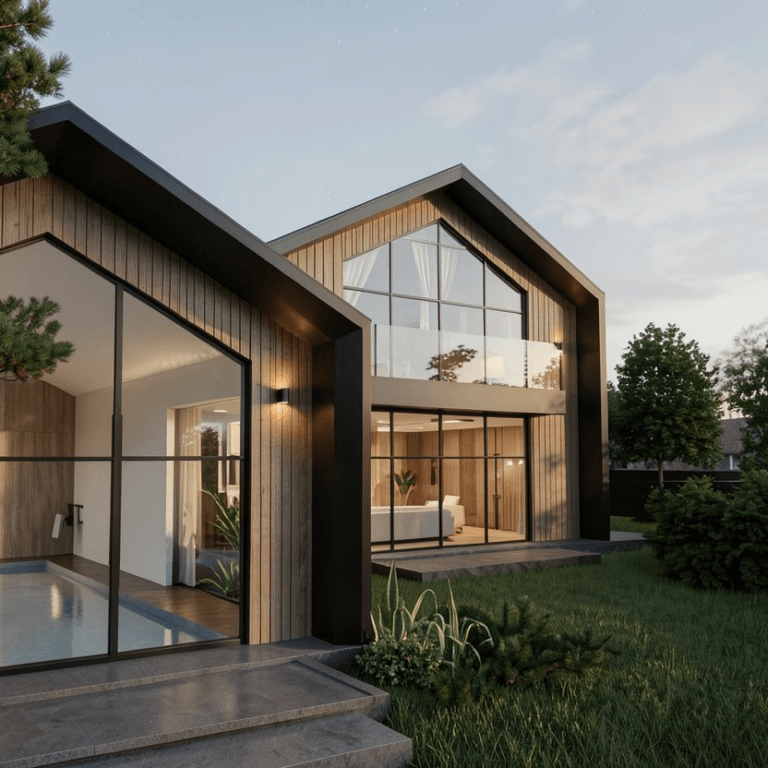
Country Site Family House
Architecture & approvals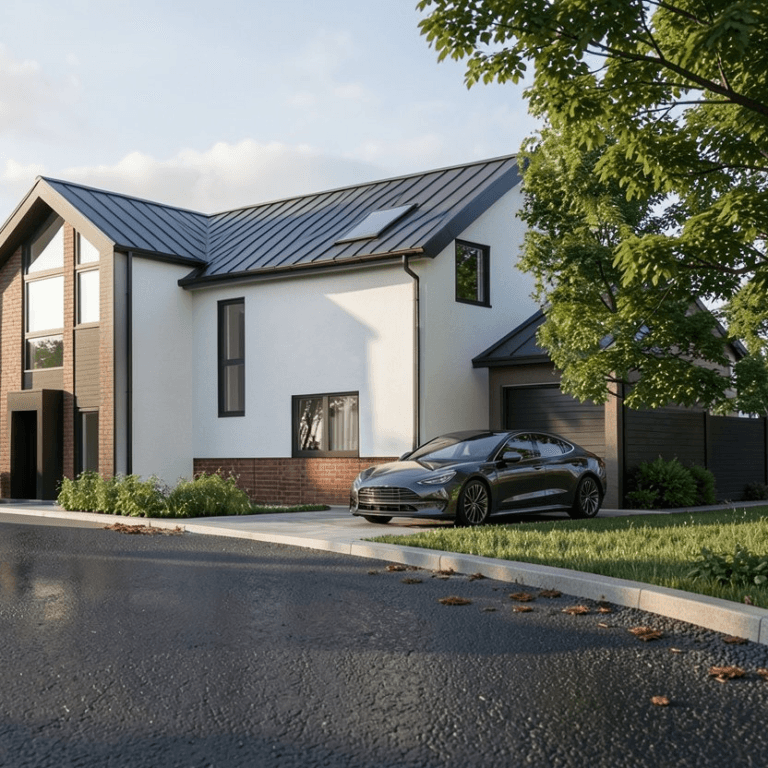
The Laurels
Planning & design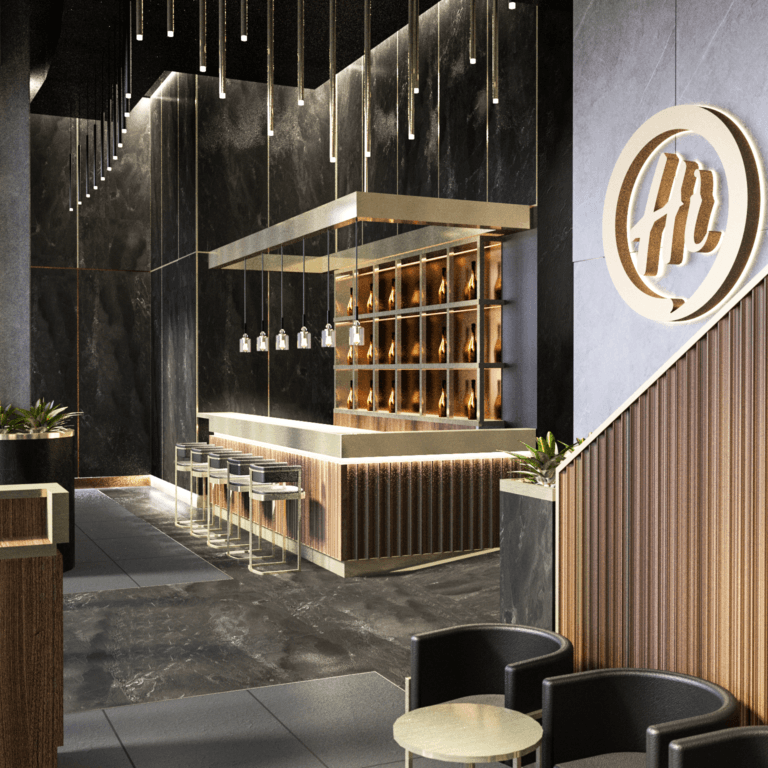
Haidilao Hot Pot
Interior conceptFrequently asked questions
Do I need planning permission?
It depends on the property and the work. Many internal works do not need it, while changes of use, extensions, external alterations, new shopfronts and new development usually do. Listed buildings and conservation areas have stricter rules.
What is the difference between planning permission and Building Regulations?
Planning decides whether a development is acceptable, considering use, appearance and impact on neighbours. Building Regulations set the technical standards for how it is built, such as fire safety, structure and energy. They are separate approvals, and many projects need both.
How long does planning permission take?
Councils aim to decide most minor applications within 8 weeks of validation, and major ones within 13 weeks. Pre-application advice, consultations and requests for more information can add time, so we plan the planning stage into the programme from the start.
What is a Licence to Alter?
It is a landlord's formal consent for a tenant to carry out physical alterations. The lease sets out when it is needed. The landlord usually reviews drawings, specifications and method statements before granting it.
Can LCC prepare a Licence to Alter package?
Yes. We prepare or coordinate the architectural, M&E and technical information the landlord needs, and respond to their comments.
Do I need Building Control approval?
Most structural work, extensions, changes to fire escape routes, new drainage and many electrical and ventilation works need Building Regulations approval. This can come from the council's Building Control or a registered private Building Control approver.
What drawings are needed for Building Regulations?
Typically plans, sections and construction details, plus information on fire safety, accessibility, energy, structure and drainage. Structural calculations come from a qualified structural engineer.
Can LCC provide structural engineering?
We coordinate structural engineers as part of the project. Calculations and structural design are produced by appropriately qualified engineers.
Can LCC help with planning for a restaurant?
Yes. Restaurant projects often involve use class, extraction, external plant, odour and noise, shopfront and signage. We coordinate these into one submission strategy.
Why get approvals before starting construction?
Work started without the right permissions can be stopped, refused retrospectively or have to be altered. That means delays and extra cost, so the approval strategy should be agreed before work starts.
Need drawings or approvals for your property?
Speak to our team about your brief, budget and programme.
Contact us020 8960 8899